LIFT STATION CLEANING • MAINTENANCE
Lift Station Cleaning & Preventive Maintenance in Mobile, AL
DrainBusters provides scheduled lift station pump-down, basin cleaning, inspection and preventive maintenance across Mobile and Mobile County to help catch problems before they become emergencies.
Alabama Master Plumber & Master Gasfitter • Licensed Septic Installer & Pumper • 24/7 Emergency Service
WHOLE-STATION PREVENTIVE SERVICE
Maintenance Is More Than Pumping Out the Basin
A lift station is a system. Preventive service should look beyond wastewater level and check the components that determine whether the station can start, stop and move flow correctly.
Basin & Buildup
Grease, sludge, debris and settled solids can interfere with floats, pumps and usable basin volume. Pump-down and cleaning can restore access for inspection and reduce avoidable buildup.
Pumps & Flow
We evaluate accessible pump condition and operation, how the basin level responds, and whether wastewater appears to be leaving the station as expected.
Floats, Controls & Alarms
Level controls, floats, alarm functions and accessible control components should be checked as part of the station—not treated as separate problems after a failure occurs.
WHAT WE CLEAN & INSPECT
Preventive Lift Station Maintenance Checklist
The exact scope depends on station design and safe access, but a maintenance visit can include the following system checks and cleaning steps.
Pump-Down & Basin Access
Lower the wastewater level when conditions allow so the basin, floats, piping and accessible equipment can be inspected more clearly.
Grease, Sludge & Debris
Remove accumulated material that can reduce basin capacity, foul level controls or contribute to odors and operating problems.
Pump Operation
Observe accessible pump operation and basin response for signs of weak performance, abnormal cycling or failure to lower the wastewater level.
Floats & Level Controls
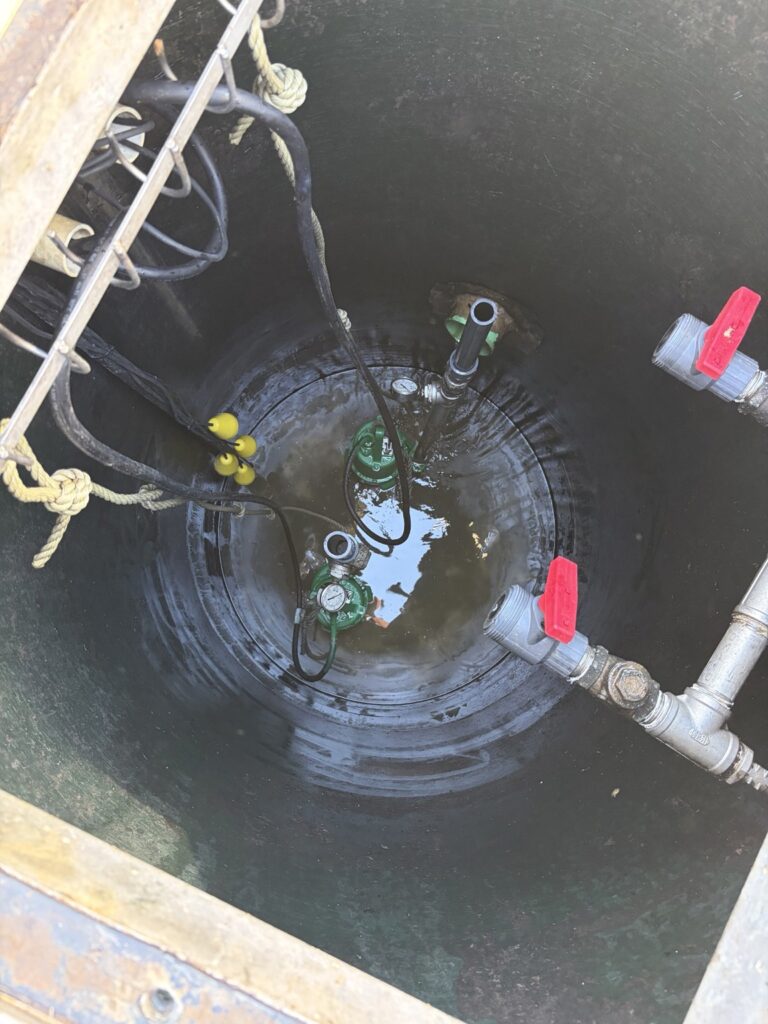
Inspect accessible floats or level controls for fouling, interference, damage or conditions that can affect pump start/stop sequencing.
Alarm & Control Conditions
Check accessible alarm and control conditions for obvious problems that could prevent the station from warning of a high-water event or operating correctly.
Valves & Discharge Path
Look for signs of backflow, check-valve problems, discharge restrictions or downstream conditions that may need separate troubleshooting.
WHEN MAINTENANCE IS OVERDUE
Warning Signs Your Lift Station Needs Cleaning or Service
Maintenance is especially important when the station starts showing changes in level, cycling, odor or alarm behavior. These symptoms can point to buildup or a developing equipment problem.
Frequent High-Water AlarmsRepeated alarms should be investigated before an overflow or backup develops.
Grease or Sludge BuildupVisible accumulation can foul floats, reduce usable basin volume and make service more difficult.
Pump Cycling ChangesShort cycling, long run times or unexpected sequencing can be a sign that the station needs inspection.
Persistent OdorsOdors can increase when wastewater sits too long or organic material accumulates in the basin.
Wastewater Level Stays HighIf the basin does not draw down normally, the pump, controls, check valve or discharge path may need diagnosis.
No Recent Service RecordStations with unknown maintenance history benefit from a baseline inspection and cleaning plan.
PUMP-DOWN • CLEAN • INSPECT • TEST
Our Lift Station Cleaning & Maintenance Process
The goal is not simply to empty the basin. We use pump-down and cleaning to create clearer access for inspection, then evaluate the system for conditions that may need repair or additional drain/sewer troubleshooting.
1. Site & Basin Review
Review the station condition, wastewater level, access and obvious signs of overflow, buildup, damaged components or unusual operating conditions.
2. Pump Down & Clean
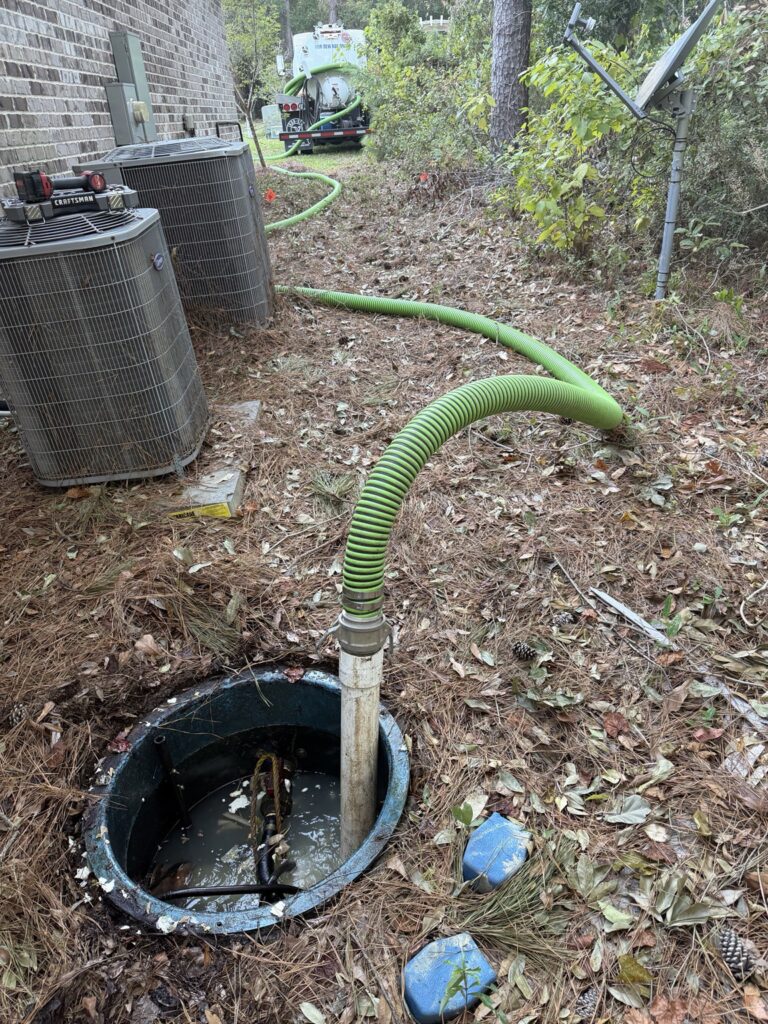
Use vacuum equipment when appropriate to lower the wastewater level and remove accumulated material that prevents proper inspection or operation.
3. Inspect & Test
Evaluate accessible pumps, floats, controls, valves and basin response, then identify maintenance findings or repair needs.
If cleaning uncovers a failed pump, float, control or discharge problem: we can transition the visit into diagnosis or provide repair recommendations through our Lift Station Service & Repair page.
PREVENTIVE MAINTENANCE SCOPE
What Preventive Maintenance Can Help Catch Early
Preventive service cannot eliminate every failure, but it can expose buildup, operating changes and component problems before they become a larger wastewater emergency.
Float Interference
Grease, debris or tangled components can interfere with level controls and change the way pumps start and stop.
Slow Drawdown
A basin that takes longer than expected to lower may point to pump wear, backflow, a check-valve issue or discharge restriction.
Control Problems
Accessible alarms, controls and electrical components may show conditions that deserve further diagnosis before the station stops operating.
MAINTENANCE FREQUENCY
How Often Should a Lift Station Be Serviced?
There is no single maintenance interval that fits every station. Service frequency should reflect how much wastewater the station handles, what enters the basin, equipment configuration, site history and the consequences of a failure.
Usage & Flow
High-use commercial or multifamily stations may need more frequent attention than a lightly used residential system.
Grease & Solids
Stations receiving grease, solids or heavy wastewater loading may accumulate material more quickly and require a shorter cleaning interval.
Failure History
Repeated alarms, float problems, pump failures or previous overflows are reasons to establish a more deliberate inspection schedule.
Best starting point: if the maintenance history is unknown, begin with a baseline pump-down, cleaning and inspection. We can then recommend a practical recurring interval based on the actual station condition—not a generic calendar.
COMMERCIAL • MULTIFAMILY • MANAGED PROPERTIES
Recurring Lift Station Maintenance for Properties That Cannot Afford an Overflow
Apartments, commercial properties, restaurants, facilities and managed communities often depend on a lift station every day. A recurring maintenance schedule gives property teams a documented plan for cleaning, inspection and early problem identification.
Scheduled Pump-Down & CleaningReduce grease, sludge and debris before it interferes with station operation.
Operational ChecksObserve pump cycling, basin drawdown and accessible controls during planned service.
Maintenance FindingsDocument conditions that may need repair, replacement or additional sewer/discharge investigation.
Property-Management CoordinationPlan service around site access, tenant/customer impact and the property’s wastewater needs.
MOBILE COUNTY LIFT STATION MAINTENANCE
Lift Station Cleaning & Maintenance Across Mobile County
DrainBusters provides planned lift-station pump-down, basin cleaning, inspection and recurring maintenance across Mobile and Mobile County from our Theodore and West Mobile service presence.
Common service areas include Mobile, West Mobile, Theodore, Tillmans Corner, Semmes, Irvington, Grand Bay, and surrounding Mobile County communities.
LIFT STATION MAINTENANCE FAQ
Questions Customers Ask Us
How often should a lift station be cleaned?
There is no single interval that fits every station. Cleaning frequency depends on wastewater flow, grease or solids loading, station size, equipment configuration, failure history and the consequences of an overflow. If the maintenance history is unknown, a baseline pump-down and inspection is a practical starting point.
Does lift station maintenance prevent every pump failure?
No. Preventive maintenance cannot eliminate every mechanical or electrical failure, but it can help expose buildup, float interference, abnormal cycling, slow drawdown and other conditions before they become a larger problem.
Can you pump out and clean the lift station basin?
Yes, when site access and conditions allow. Our vacuum equipment can lower the wastewater level and remove accumulated material so the basin and accessible equipment can be cleaned and inspected.
What do you inspect during preventive maintenance?
Depending on the station and safe access, we can inspect accessible pumps, floats or level controls, alarms, controls, valves, basin conditions and how the station responds during operation.
Do commercial lift stations need recurring maintenance?
Many commercial, multifamily and managed properties benefit from a recurring maintenance plan because the station handles wastewater every day and a failure can affect tenants, customers or operations. The interval should be based on the actual station condition and usage.
Can grease buildup cause lift station problems?
Yes. Grease and other accumulated material can reduce usable basin volume, foul floats or level controls, contribute to odors and make pump operation or service more difficult.
What if maintenance finds a failed pump or control problem?
If cleaning or inspection uncovers a failed pump, float, control, check-valve issue or discharge problem, DrainBusters can transition into lift-station diagnosis or provide repair and replacement recommendations.
Do you service lift stations across Mobile County?
Yes. DrainBusters provides lift-station cleaning and preventive maintenance throughout Mobile, Theodore, West Mobile, Semmes, Irvington, Grand Bay, Tillmans Corner and surrounding Mobile County communities, subject to site access and service requirements.
Keep Your Lift Station Clean, Accessible & Ready to Work
Call DrainBusters for lift-station pump-down, basin cleaning, preventive inspection and recurring maintenance across Mobile and Mobile County.
Residential • Commercial • Multifamily • Managed Properties